


Article
What to Check on a WAV Test Drive
Most WAV test drives miss critical details. Here's what to actually check before you commit to a wheelchair accessible vehicle for the next 3-5 years.
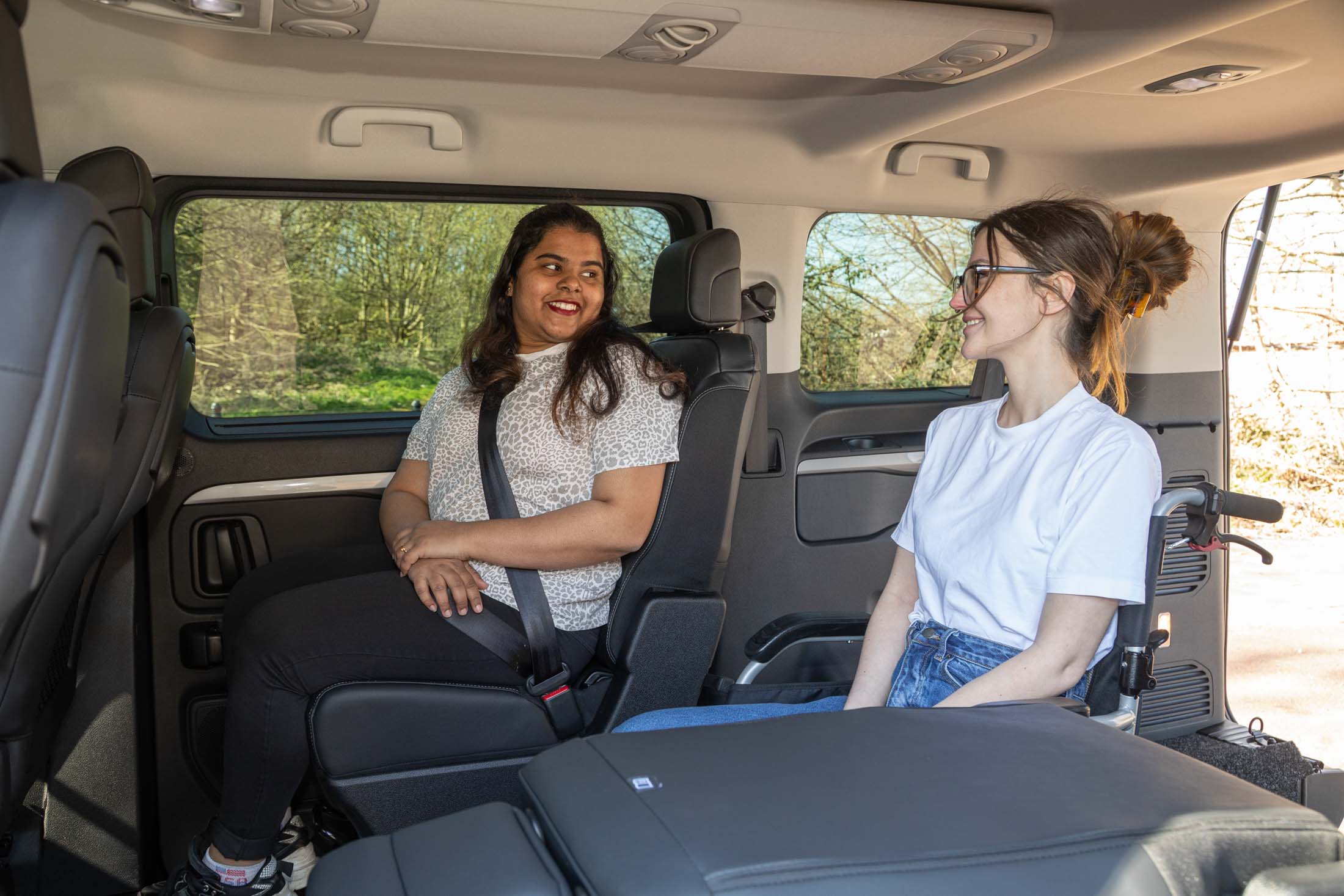
A wheelchair accessible vehicle test drive isn’t like testing a normal car. You’re not just checking whether you like the steering feel or if there’s enough boot space for the weekly shop. You’re assessing whether this vehicle will work for your specific wheelchair, your specific body, your specific home setup, and your daily routine for the next three to five years.
Most people remember to bring the wheelchair. Beyond that, the vast majority of test drives miss critical details that only become problems after the paperwork’s signed. Here’s what to actually check.
Bring the wheelchair you’ll actually use
This sounds obvious, but it catches people out constantly. If you’re in the process of getting a new chair through wheelchair services, try to wait until it arrives before committing to a vehicle. A few centimetres difference in chair width or a heavier powerchair battery can change everything from ramp angle comfort to whether you fit through the internal doorway at all.
If you use multiple chairs, bring the largest one. A slimline manual chair fitting perfectly tells you nothing about whether your powerchair will work on the school run.
Test the ramp on a realistic surface
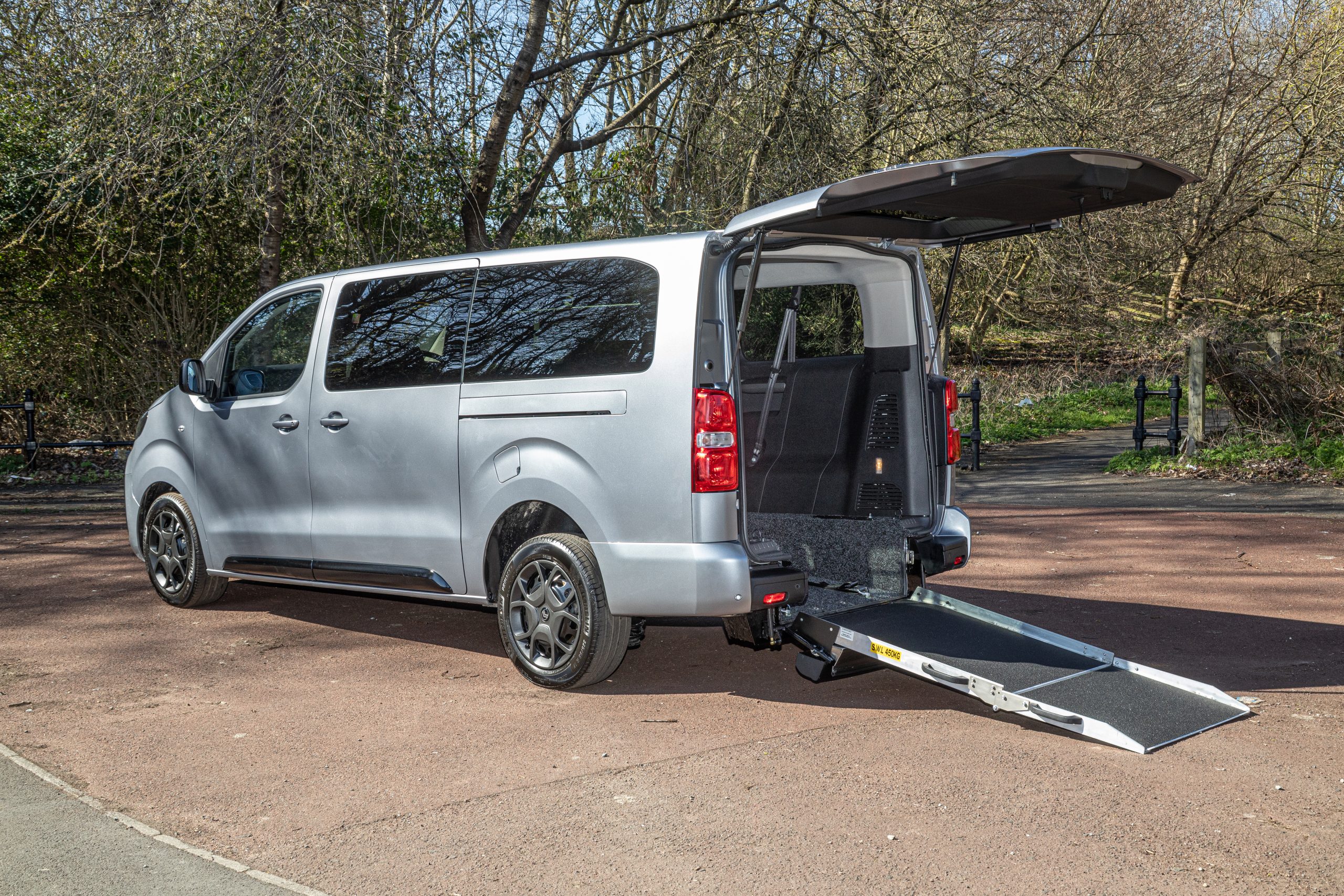
Showroom floors are flat, smooth, and level. Your driveway probably isn’t. If possible, ask to take the vehicle to your home during the test drive and actually try the ramp where you’ll use it daily. You’re checking whether the ramp angle becomes too steep when the vehicle’s parked on a slight incline, and whether the ramp edge catches or scrapes on the transition between your drive and the road.
If you can’t get home during the test, at least find an uneven bit of car park or a kerb edge to test on. The difference between a ramp working on a flat surface and working in the real world is significant.
Sit in the wheelchair position for a proper journey
Don’t just roll in, confirm you fit, and roll back out. Stay in the wheelchair passenger position for at least fifteen minutes of actual driving, including some corners and a few speed bumps if you can find them. You’re checking whether the ride feels comfortable, whether you feel secure with the tie-down system, and whether you can see out of the windows properly.
Pay attention to headroom over bumps. Some conversions that feel fine when stationary become uncomfortable when the suspension compresses. If you’re tall or sit high in your chair, this matters.
Check the tie-down system yourself
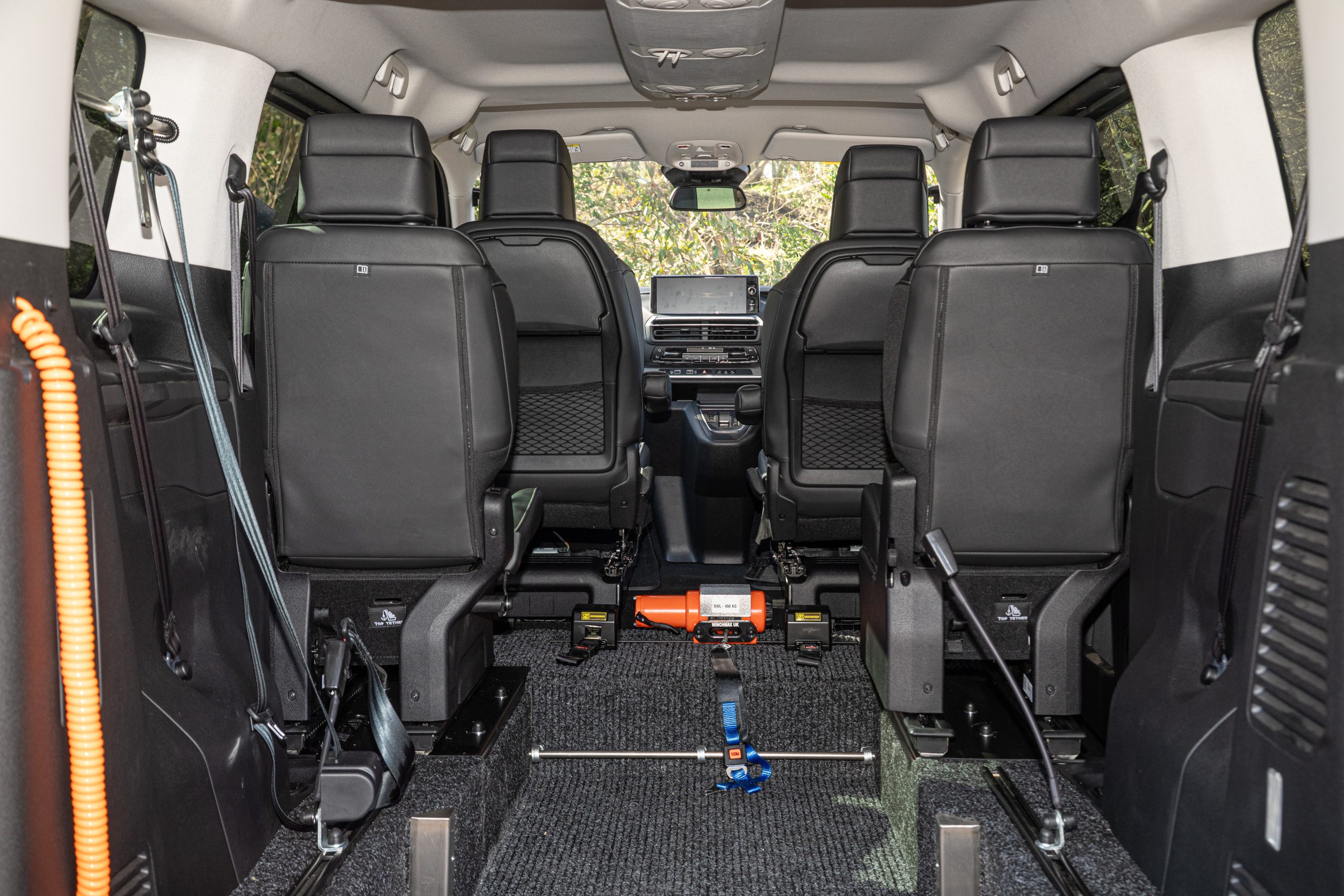
Ask the salesperson to show you how the wheelchair securing system works, then do it yourself. Twice. Time how long it takes. Now imagine doing this in the rain, in a busy supermarket car park, with a toddler waiting in a car seat.
Some systems are genuinely quick and intuitive. Others require threading straps through specific points on the chair frame in a particular sequence that’s easy to demonstrate but awkward to remember. You need to know which you’re getting.
Measure the internal doorway if you’ll transfer to a seat
If the wheelchair user plans to transfer from their chair to a standard vehicle seat, the internal access between the wheelchair space and the front seats matters enormously. Measure the gap. Try the transfer during the test drive if possible. A few centimetres of clearance that looks fine visually can make the difference between an easy transfer and a daily struggle.
Test the boot space with your actual equipment
WAV conversions often reduce boot space compared to the standard vehicle. If you travel with mobility equipment, walking frames, portable ramps for destinations, or medical supplies, physically load them during the test drive. Don’t estimate. The ramp mechanism and lowered floor often eat into space you’d expect to have.
Ask about servicing and breakdown support
This isn’t a physical test drive check, but ask before you leave. WAV conversions need specialist servicing. Who does it locally? What’s the typical wait time for repairs? What happens if you break down and need wheelchair-accessible recovery? These answers vary wildly between manufacturers and dealers.
The bottom line
A WAV is a mobility aid as much as it’s a vehicle. The test drive needs to assess both. Spending an extra hour being thorough now saves you from three years of daily frustration with a vehicle that technically works but never quite fits your life.
If you’d like to book a proper WAV test drive with time to check everything that matters, get in touch with our team. We’ll bring the vehicle to your home if that helps you make the right decision.
WAV Experts
If you're looking for expert WAV advice, please get in touch with one of our team members today.
Get in touch